

Strategies for a Healthy Crop
Weeds are unwanted plants that compete with crops for resources such as sunlight, water, and nutrients. Effective weed management is essential in agriculture to ensure optimal crop growth, maximize yields, and minimize economic losses. Here’s a detailed overview of the weed management process in agriculture.
Weeds can serve as hosts for pests and diseases that may affect cultivated plants. Removing weeds reduces the habitat for these pests and diseases, thereby helping to prevent infestations and infections.
Importance of Weeding
Resource Competition: Weeds compete with cultivated plants for resources such as water, nutrients, and sunlight. By removing weeds, the available resources are redirected to the desired plants.
Pest and Disease Prevention: Weeds can serve as hosts for pests and diseases that may affect cultivated plants. Removing weeds reduces the habitat for these pests and diseases.
Aesthetic Appeal: Weeds detract from the visual appeal of gardens and landscapes. Weeding helps maintain a tidy and aesthetically pleasing appearance, enhancing the overall beauty of the cultivated area.
Prevention of Seed Production: Weeds left to grow and mature can produce an abundance of seeds, leading to future weed infestations. Regular weeding prevents weed seeds from dispersing and germinating.
Methods of Weeding
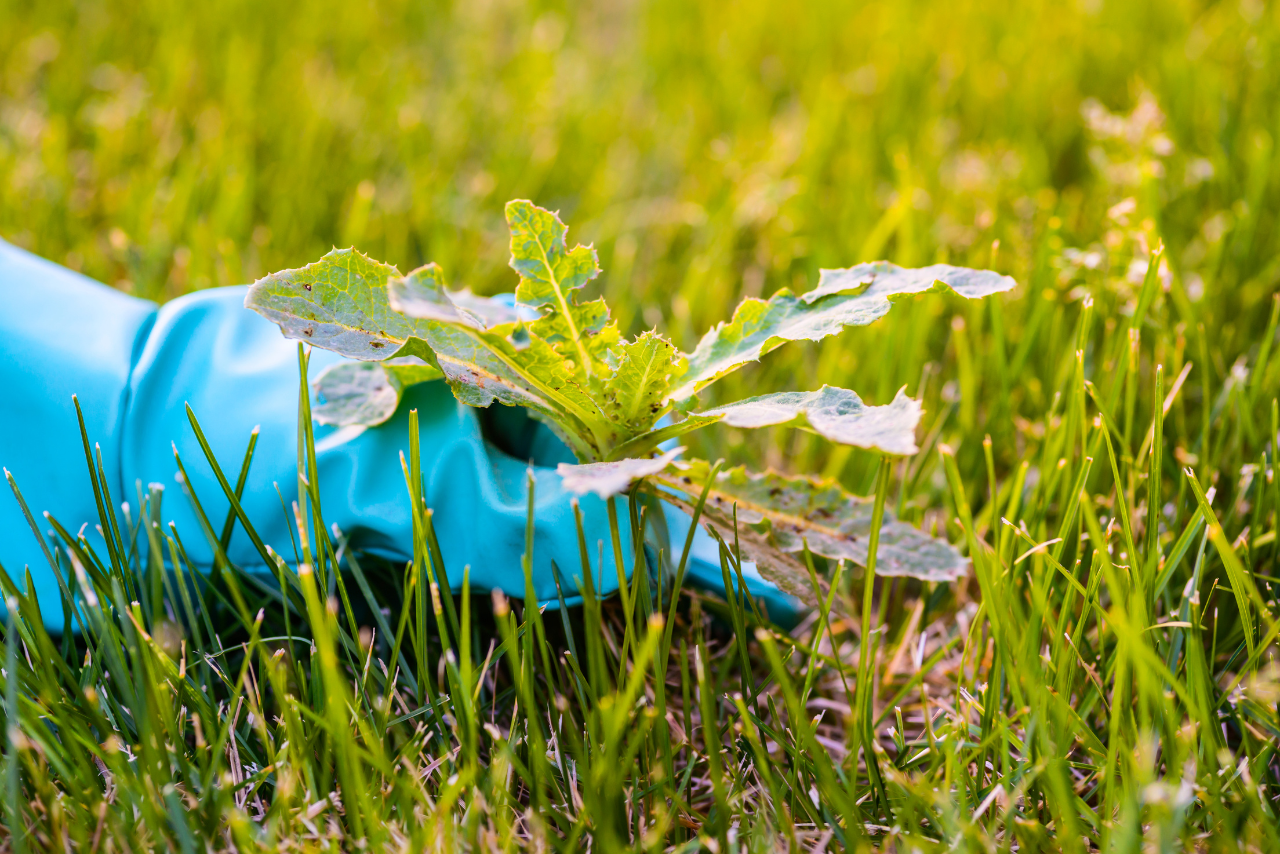
Hand Weeding:
Hand weeding involves manually removing weeds by pulling them out of the soil, roots and all. This method is effective for small-scale gardening and for removing weeds in areas where machinery or chemicals are impractical or undesirable.
Hoeing:
Hoeing is a mechanical method of weeding that involves using a hoe to cut or disturb weeds at or just below the soil surface. It is particularly effective for removing weeds in larger areas and for breaking up soil crusts.
Cultivation:
Cultivation involves using mechanical implements such as cultivators or rototillers to loosen the soil and uproot weeds. This method is commonly used in agriculture and larger-scale gardening but should be used cautiously to avoid damaging desired plants’ roots.
Mulching:
Mulching involves covering the soil surface with a layer of organic or inorganic material, such as straw, wood chips, or plastic, to suppress weed growth. Mulches also help retain soil moisture, regulate soil temperature, and improve soil structure.
Chemical Weed Control:
Chemical weed control, or herbicide application, involves using herbicidal substances to selectively or non-selectively kill weeds. Herbicides are effective for managing large weed populations but should be used judiciously to minimize environmental impact and ensure the safety of desired plants.
Best Practices for Effective Weeding:
Regular Monitoring:
Regularly inspect cultivated areas for weed growth and intervene promptly to prevent weeds from becoming established and spreading.
Timing:
Weed when the soil is moist but not waterlogged, as it makes it easier to remove weeds and their roots.Thorough Removal:
Ensure that weeds are removed entirely, including their roots, to prevent regrowth.Proper Disposal:
Dispose of pulled weeds properly to prevent them from reseeding or spreading to other areas.Prevention:
Implement preventive measures such as mulching, crop rotation, and weed barrier fabrics to minimize weed growth.
By incorporating effective weeding practices into gardening and agricultural routines, growers can promote the health and productivity of their plants while maintaining aesthetically pleasing and weed-free landscapes. Weeding is an essential aspect of plant care that requires diligence, attention to detail, and consistent effort but ultimately contributes to successful crop production and garden management.