
Sowing the seeds
Understanding Sowing
Sowing seeds is the process of planting seeds in soil to grow new plants. It’s a simple yet essential step in gardening that requires some knowledge and care to ensure your seeds germinate and thrive.
Whether you’re a seasoned green thumb or just starting out, learning how to sow seeds is a fundamental skill that will set you on the path to a bountiful harvest. In this guide, we’ll explore the basics of sowing seeds, including different methods and techniques to help you grow your own plants successfully.

Broadcast Sowing
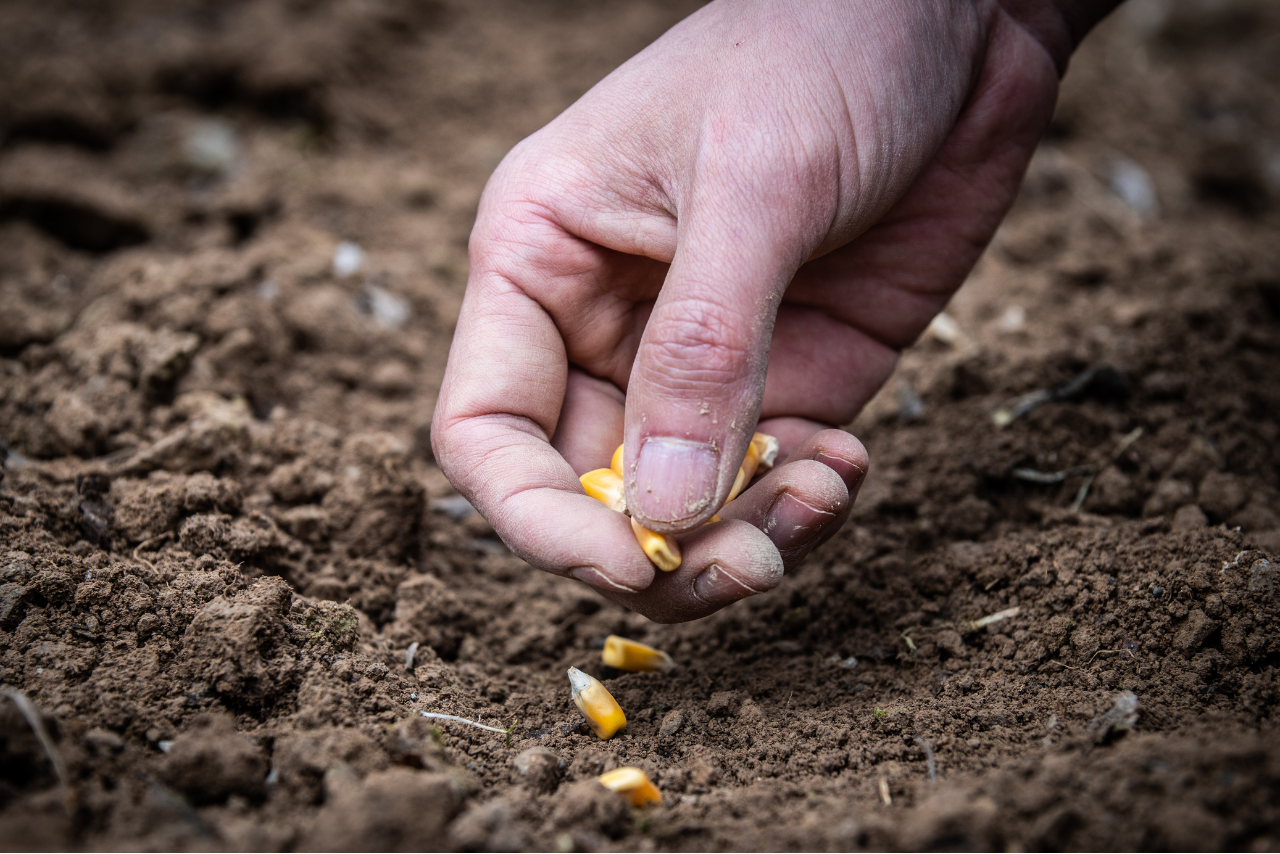
Broadcast sowing involves scattering seeds evenly over a prepared area of soil. It’s commonly used for sowing large areas with crops like grass, wildflowers, or cover crops. After broadcasting the seeds, they are lightly raked or covered with soil to ensure good seed-to-soil contact.
Broadcast sowing is a versatile planting method that involves scattering seeds evenly over a prepared area of soil. This approach is commonly used for sowing large areas, creating wildflower meadows, establishing cover crops, or seeding lawns. Here’s a deeper dive into broadcast sowing and how you can make the most of this technique.
Direct Sowing
This method involves planting seeds directly into the soil where you want the plants to grow. It’s commonly used for vegetables like beans, peas, and carrots, as well as annual flowers. Direct sowing is ideal for plants that don’t transplant well or those that require a long growing season.
Direct sowing is a straightforward and efficient method of planting seeds directly into the ground where they’ll grow to maturity. It’s a preferred technique for many gardeners, especially for plants that don’t transplant well or for those who want to simplify the gardening process. Here’s a closer look at direct sowing and some tips for success.
Seed Tape or Mat Sowing
Seed tape or mat sowing involves planting seeds that are pre-spaced and attached to a biodegradable tape or mat. This method helps ensure proper spacing between seeds and reduces the need for thinning. It’s particularly useful for small seeds like carrots, lettuce, and radishes.
Seed tape, also known as seed ribbon or seed mat, is a innovative gardening product designed to simplify the process of sowing seeds, especially for small seeds that require precise spacing. It consists of seeds pre-spaced and attached to a biodegradable tape or mat, making it easy to plant with accuracy and efficiency. Here’s a closer look at seed tape and how you can use it effectively in your garden.
Tips for Successful Sowing
Choose the Right Seeds: Select high-quality seeds that are suited to your growing conditions and climate.
Prepare the Soil: Ensure the soil is well-drained, fertile, and free of weeds before sowing seeds.
Follow Seed Depth Guidelines: Plant seeds at the proper depth according to the instructions on the seed packet.
Water Carefully: Keep the soil consistently moist but not waterlogged to promote germination.
Provide Adequate Light: Place indoor-sown seeds in a sunny location or provide supplemental lighting to encourage healthy growth.
Thin Seedlings as Needed: If seedlings become overcrowded, thin them out to allow room for proper growth.