

Building a Farm Pond
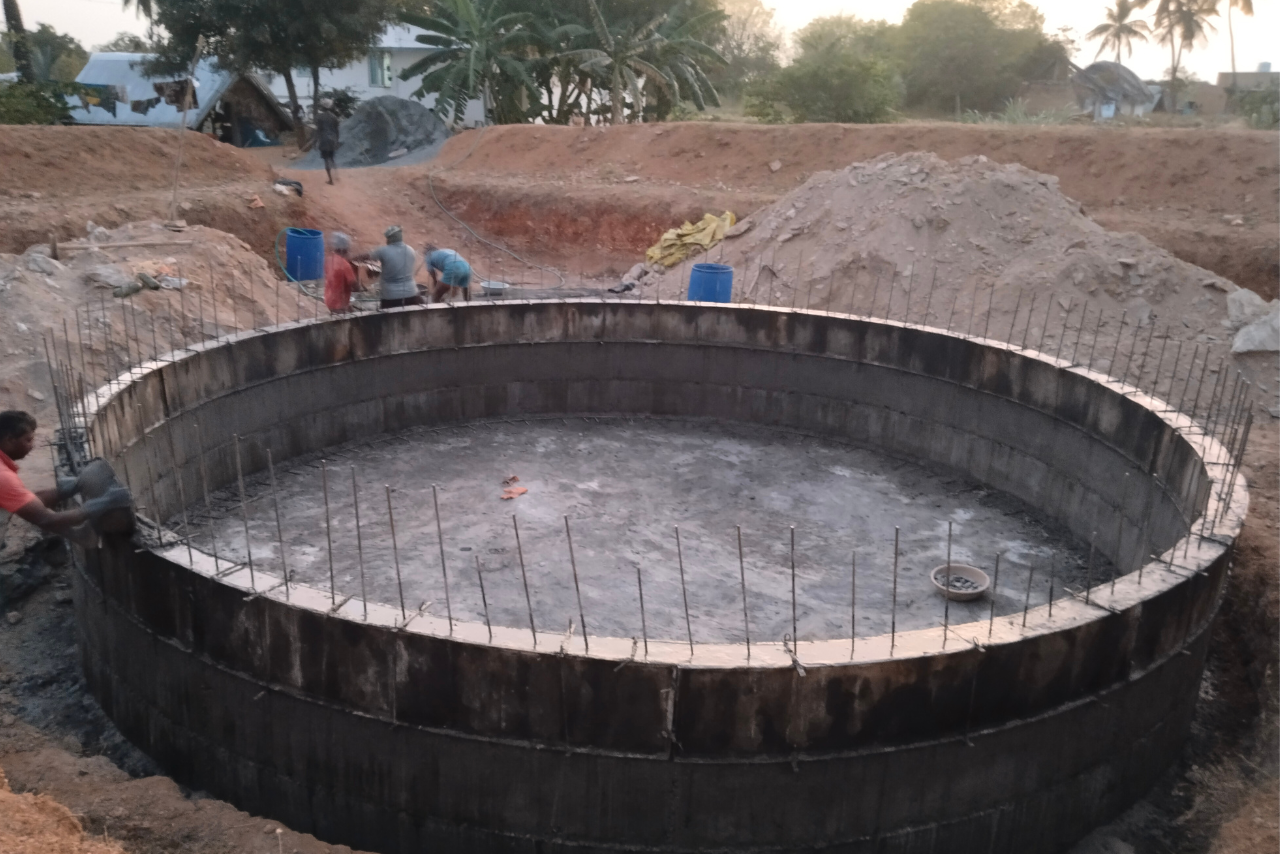
Building Form Pond
Building a farm pond is a strategic agricultural practice that can have numerous benefits for farmers. These ponds are artificial reservoirs constructed on agricultural land primarily to store water. They can vary in size from small, simple depressions to large, engineered structures, depending on the specific needs and resources available to the farmer.
Building a farm pond is a strategic investment for farmers looking to improve water management, enhance agricultural productivity, and promote environmental sustainability on their land. Proper planning, construction, and maintenance are crucial to realizing the full potential of this valuable agricultural asset.
Site Selection
- The first step is to select an appropriate site for the farm pond. Factors to consider include topography, soil type, water sources (such as runoff or springs), and proximity to the areas that need irrigation or watering.
- Ideally, the site should have a natural depression or be situated in an area where excavation can be easily done without excessive cost or environmental impact.
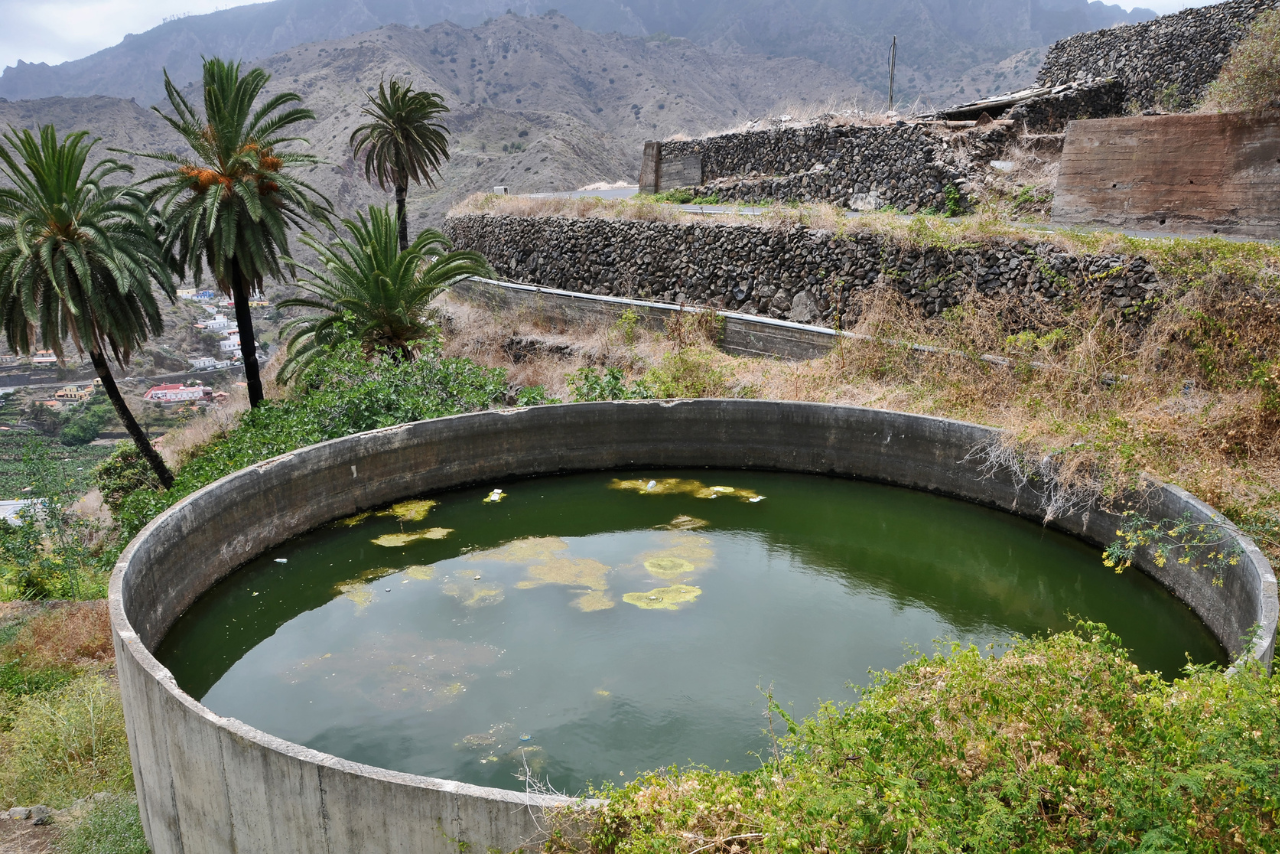
Design and Planning:
- Once the site is selected, the farmer should design the pond layout considering its purpose, size, and shape.
- The design should also account for local regulations, environmental considerations, and potential impacts on surrounding ecosystems.
Excavation:
- Excavation is the process of digging out the soil to create the pond basin. The size and depth of the pond will depend on factors such as water needs, available space, and intended use.
- Equipment such as excavators, bulldozers, or even manual labor may be used depending on the scale of the project.
Benefits:
- Farm ponds offer numerous benefits to agricultural operations, including:
- Water storage for irrigation during dry periods.
- Flood control by capturing excess runoff.
- Livestock watering.
- Wildlife habitat and biodiversity enhancement.
- Recreational opportunities such as fishing or swimming.