
Harrowing
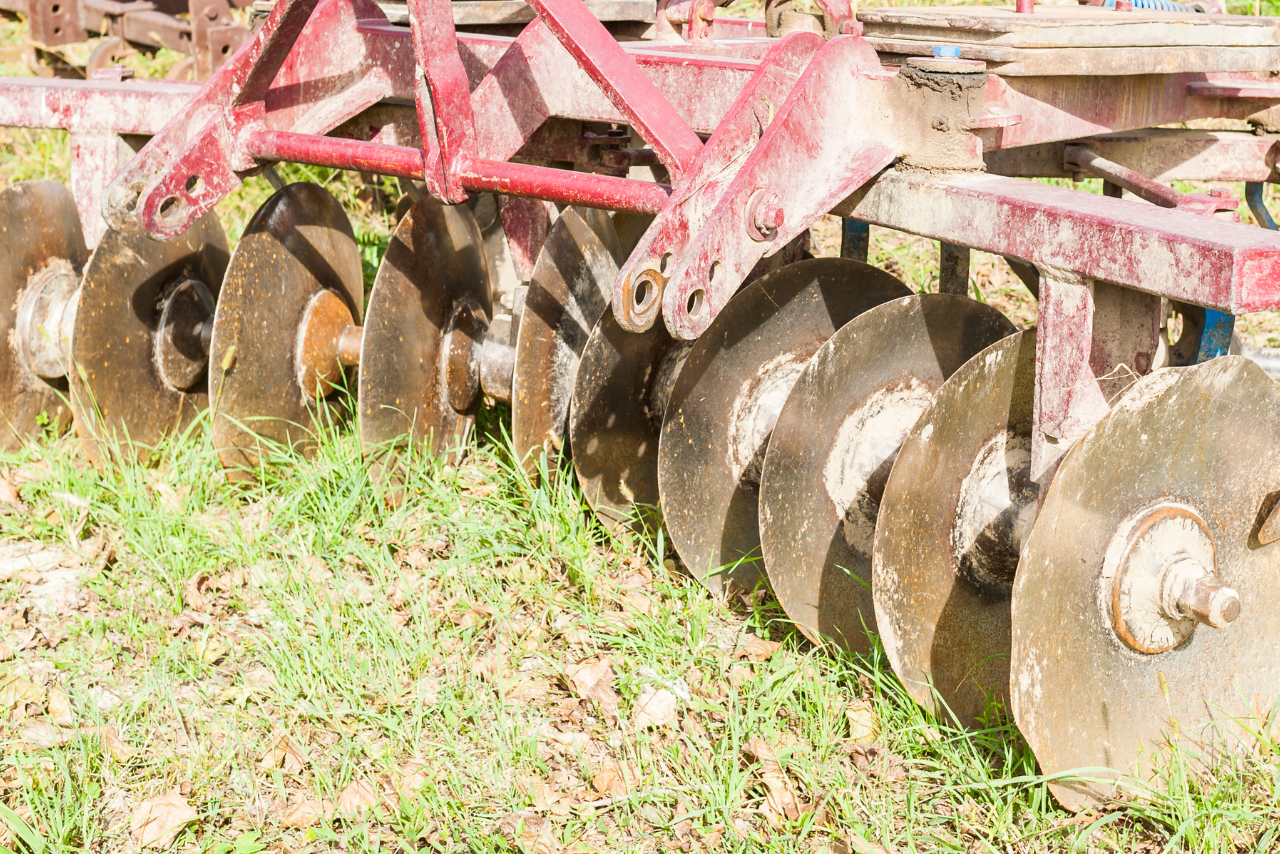
“Harrowing” in agriculture refers to the process of breaking up and smoothing soil after plowing or before planting. It’s an essential step in preparing the seedbed, ensuring optimal conditions for seed germination and plant growth. The primary tool used for harrowing is the harrow, which comes in various types, including disc harrows, chain harrows, and tine harrows. Each type has its own specific use and benefits depending on the soil type, field condition, and the desired outcome of harrowing.
Harrowing plays a vital role in modern agriculture by preparing the seedbed, enhancing soil fertility, and controlling weeds. By employing the appropriate harrowing techniques and equipment, farmers can optimize crop yields and promote sustainable land management practices.
Breaking up clods: After plowing, the soil may form large clods or chunks, which can hinder seed germination and root growth. Harrowing helps break these clods into smaller, more manageable particles.
Types of Harrows
Disc Harrows: These harrows have a series of concave metal discs mounted on a common shaft. The discs cut through the soil, breaking up clods and chopping up crop residues. Disc harrows are effective in heavy and compacted soils.
Chain Harrows: Chain harrows consist of a series of metal chains or bars attached to a frame. They are dragged across the soil surface, breaking up clods and leveling the soil. Chain harrows are useful for light tillage and leveling.
Tine Harrows: Tine harrows have multiple rows of closely spaced tines or teeth that penetrate the soil. They are effective for aerating the soil, incorporating organic matter, and controlling weeds. Tine harrows are commonly used in seedbed preparation and for managing pastureland.
Timing and Technique
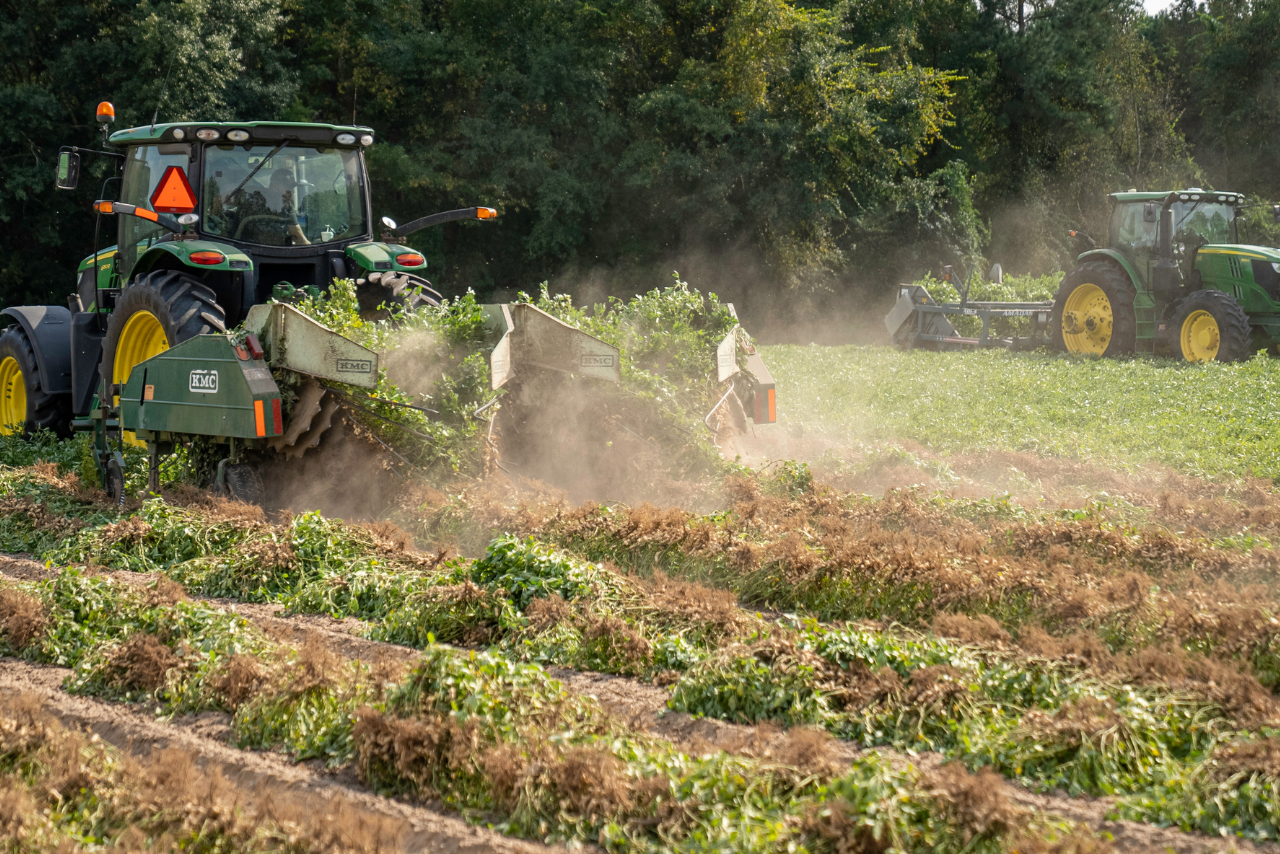
Harrowing is typically performed after plowing and before planting or seeding. However, in some cases, it may also be done after planting to create a mulch layer or to control emerging weeds.
The timing and frequency of harrowing depend on various factors, including soil type, moisture content, weather conditions, and the crop being grown.
Harrowing should be done when the soil is dry enough to prevent compaction but moist enough to facilitate soil manipulation. Working the soil when it’s too wet can cause smearing and compaction.
Proper depth and speed are crucial for effective harrowing. The harrow should penetrate the soil to the desired depth without causing excessive disturbance or compaction. The speed of operation should be adjusted based on soil conditions and the type of harrow used.
Benefits
Improved seedbed preparation: Harrowing creates an optimal seedbed for planting by breaking up soil clods and leveling the surface.
Enhanced soil structure: Harrowing helps improve soil aeration, drainage, and water infiltration, promoting healthy root development and plant growth.
Weed suppression: Harrowing can help suppress weeds by uprooting seedlings and burying weed seeds, reducing weed competition with crop plants.
Conservation of soil moisture: By creating a fine tilth and reducing surface evaporation, harrowing helps conserve soil moisture, especially in arid and semi-arid regions.