
Creating Ditches
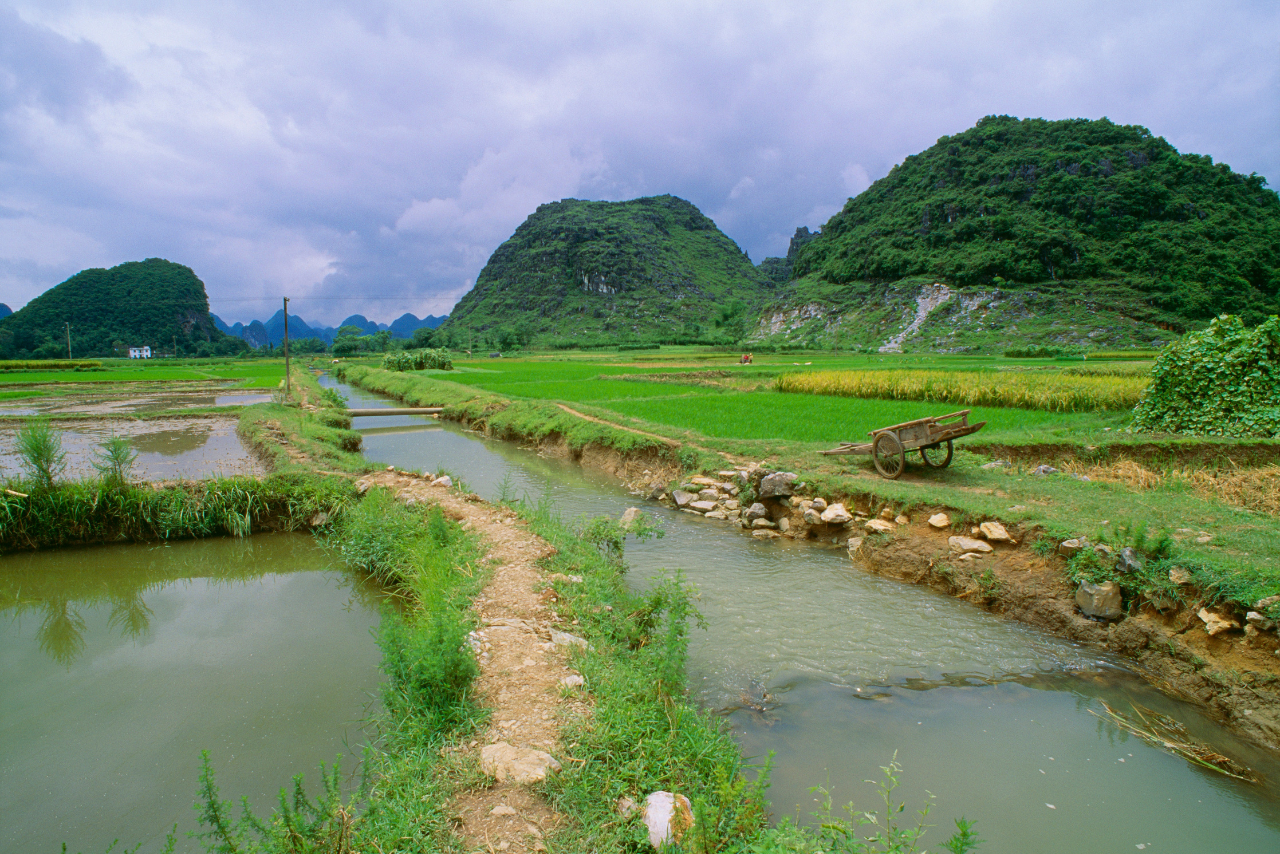
- Creating ditches in agriculture, commonly known as irrigation ditches or drainage ditches, is a vital practice for managing water flow within fields. These ditches serve various purposes, including drainage, flood control, and irrigation.
- When making ditches, it’s important to consider potential environmental impacts, such as habitat disruption or water pollution. Implementing erosion control measures and using sustainable practices can help minimize these impacts.
- Site Assessment: Before digging ditches, it’s essential to conduct a thorough assessment of the land. This assessment should consider factors such as the topography of the area, soil type, water sources, and the intended purpose of the ditches.
Planning and Design: Based on the site assessment, develop a plan for the layout of the ditches. Consider the slope of the land, the direction of water flow, and any existing drainage patterns. The design should aim to efficiently manage water runoff and distribution for irrigation purposes.
- Marking: Use stakes, flags, or spray paint to mark the location and layout of the ditches according to the planned design. This step helps ensure accuracy during the digging process.
- Digging: The digging process can be done manually using shovels, or with the help of machinery such as backhoes or trenchers, depending on the scale of the project. The depth and width of the ditches will vary based on factors such as soil type, water volume, and local regulations.
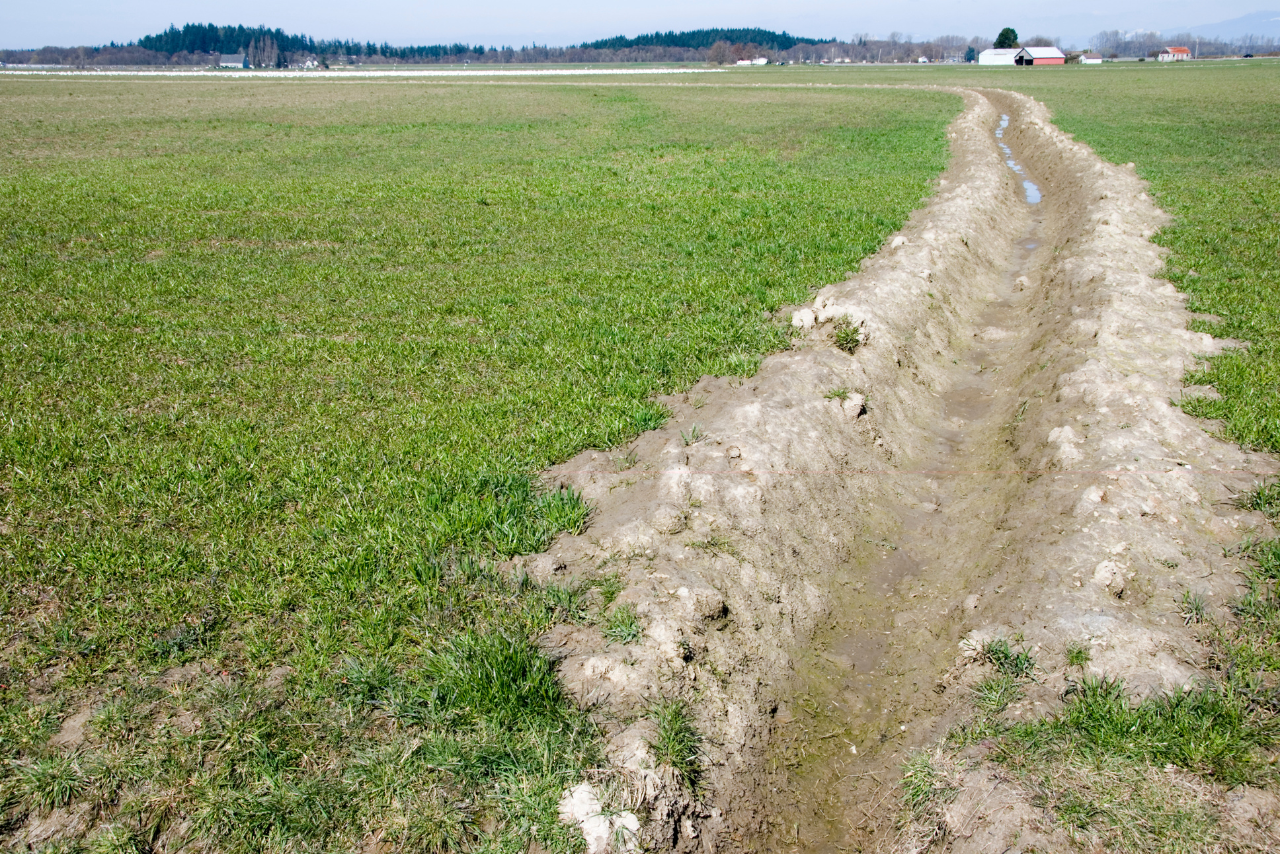
Shaping and Sloping: Once the initial digging is done, shape the ditches to ensure proper water flow. This may involve sloping the sides of the ditches to prevent erosion and facilitate efficient water movement. Proper shaping also helps prevent sediment buildup, which can obstruct water flow over time.
Lining (Optional): In some cases, ditches may be lined with materials such as concrete, plastic liners, or geotextiles to reduce erosion and improve longevity. However, this step is optional and may depend on factors such as budget and environmental considerations.
Maintenance: Regular maintenance of the ditches is crucial to ensure their effectiveness over time. This includes removing debris, sediment, and vegetation that can obstruct water flow, as well as repairing any damage or erosion that may occur.
Irrigation Infrastructure: In agricultural settings, ditches are often connected to irrigation systems such as furrows or drip irrigation lines to distribute water to crops efficiently. Proper integration of ditches with irrigation infrastructure maximizes water use efficiency and crop productivity.
Regulatory Compliance: It’s essential to comply with local regulations and obtain any necessary permits before digging ditches, especially if they involve altering watercourses or affecting water quality.
Environmental Considerations: When making ditches, it’s important to consider potential environmental impacts, such as habitat disruption or water pollution. Implementing erosion control measures and using sustainable practices can help minimize these impacts