
PLOWING THE FIELD
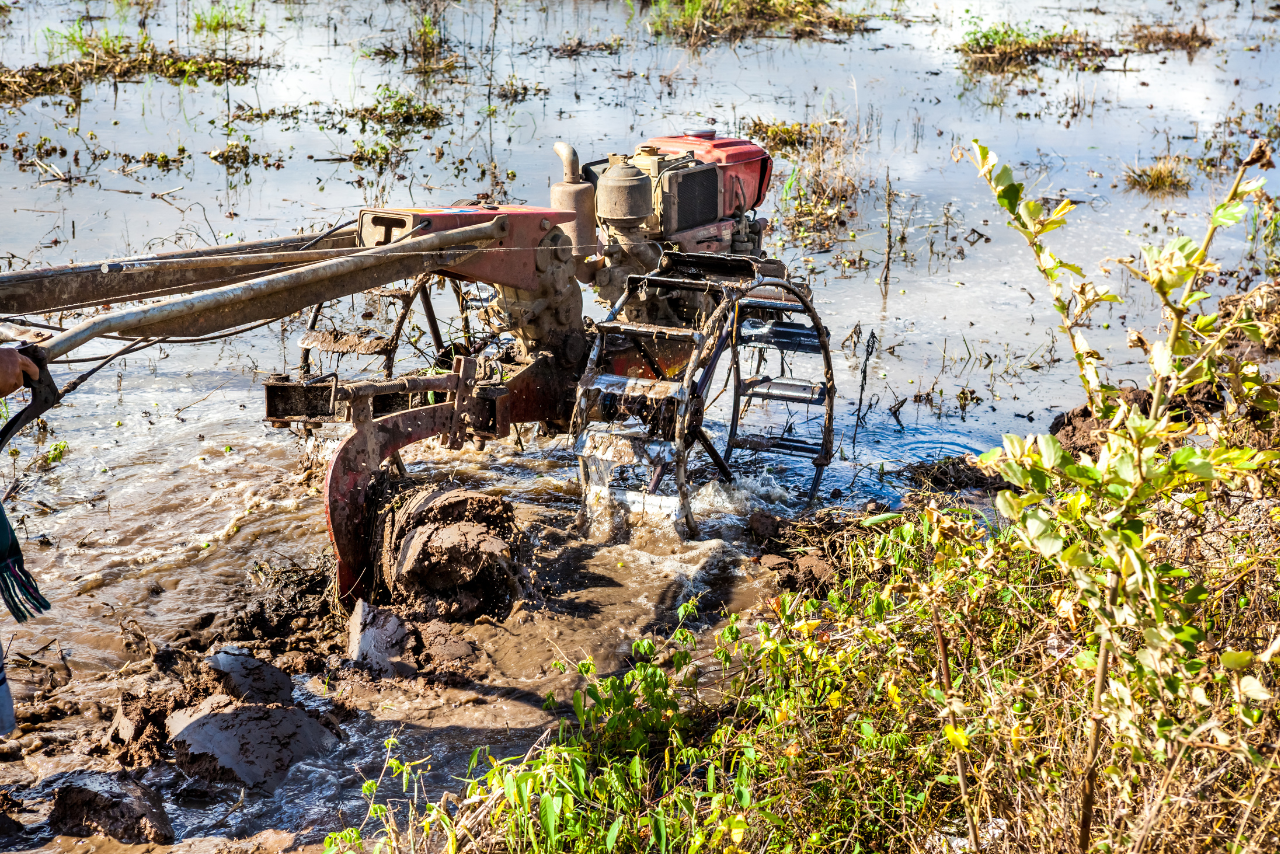
Exploring the Art of Plowing in Agriculture.
In the realm of agriculture, ploughing stands as a timeless art form a delicate balance between tradition and innovation. This age-old practice involves the careful turning of soil to create a fertile bed for planting crops, ensuring a bountiful harvest and healthy soil for future generations.
Ploughing is more than just a mechanical task; it is a ritual that connects farmers to the land in a profound way. By breaking up the soil, burying weeds, and aerating the earth, ploughing sets the stage for seeds to take root and flourish. It is a dance between man and nature, a harmonious symphony of soil, sun, and sweat.
Cultivating the Soil for Successful
Crop Growth
Plowing is a fundamental agricultural practice that involves mechanically cultivating the soil to break up clods, incorporate organic matter, and create a suitable seedbed for planting. It’s an essential step in soil preparation, helping to improve soil structure, enhance seed-to-soil contact, and promote germination and crop establishment.
With advances in technology and a growing emphasis on conservation, farmers continue to refine their plowing practices to achieve optimal results while minimizing negative impacts on the environment.
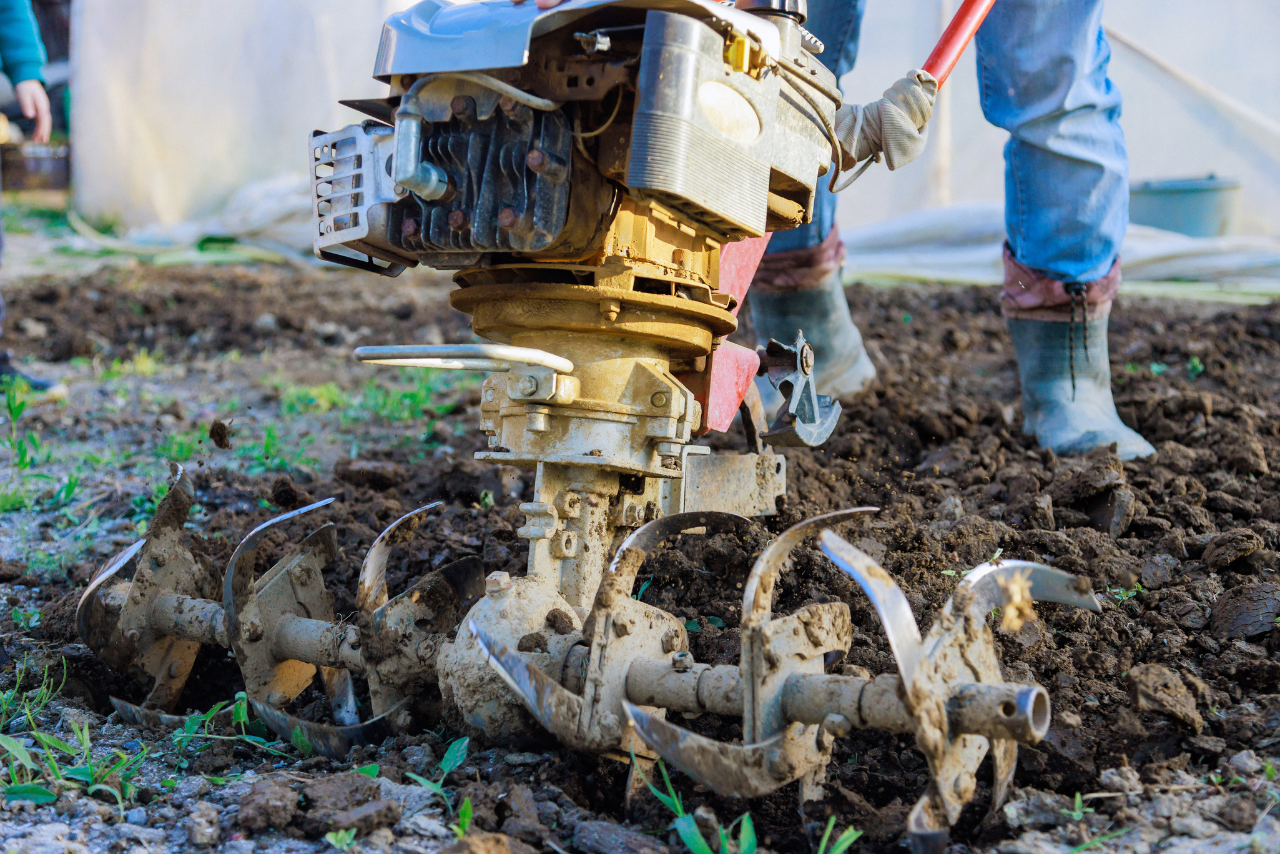
Environmental Considerations
While plowing is essential for soil preparation, it also has environmental implications. Excessive or improper plowing can lead to soil erosion, loss of soil structure, and degradation of organic matter. To mitigate these issues, farmers are increasingly adopting conservation tillage practices, such as minimum tillage or no-till farming. These approaches reduce soil disturbance, conserve moisture, and preserve soil health, aligning with sustainable agriculture principles.
Innovation in Plowing Technology
Advancements in agricultural machinery have revolutionized the plowing process. From precision-guided GPS systems to variable depth control, modern plows offer greater precision and efficiency. Implementing these technologies allows farmers to optimize inputs, minimize environmental impact, and maximize yields.
The Role of Plowing in Corp Rotation and Soil Health
Plowing plays a crucial role in crop rotation cycles, helping to break pest and disease cycles while replenishing soil nutrients. By alternating between different crops and incorporating cover crops, farmers can maintain soil fertility, suppress weeds, and improve overall soil health. This holistic approach to crop management underscores the importance of plowing in sustainable agricultural systems.